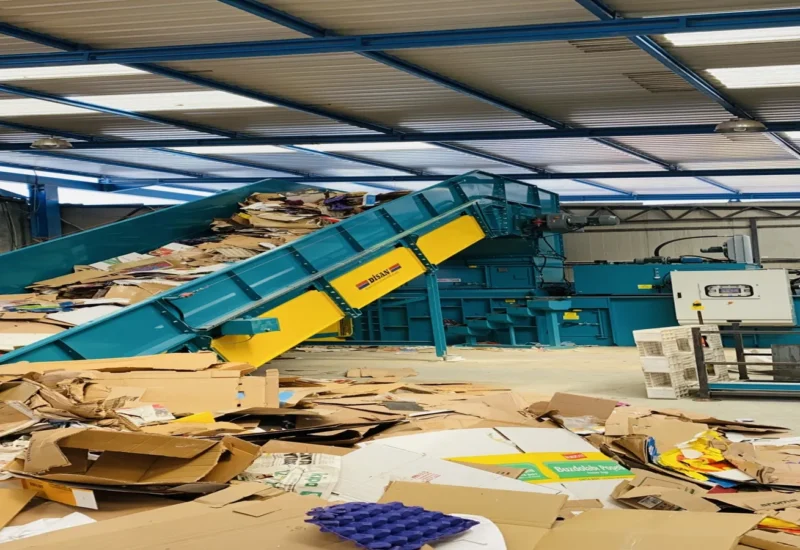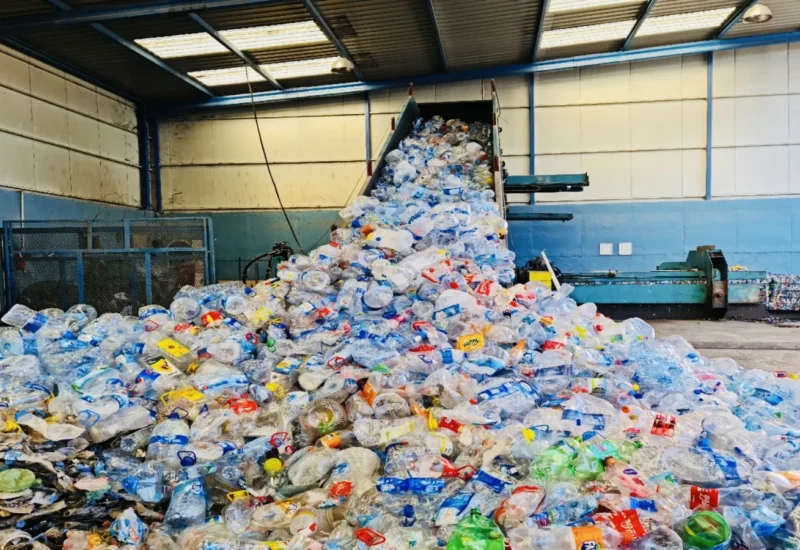


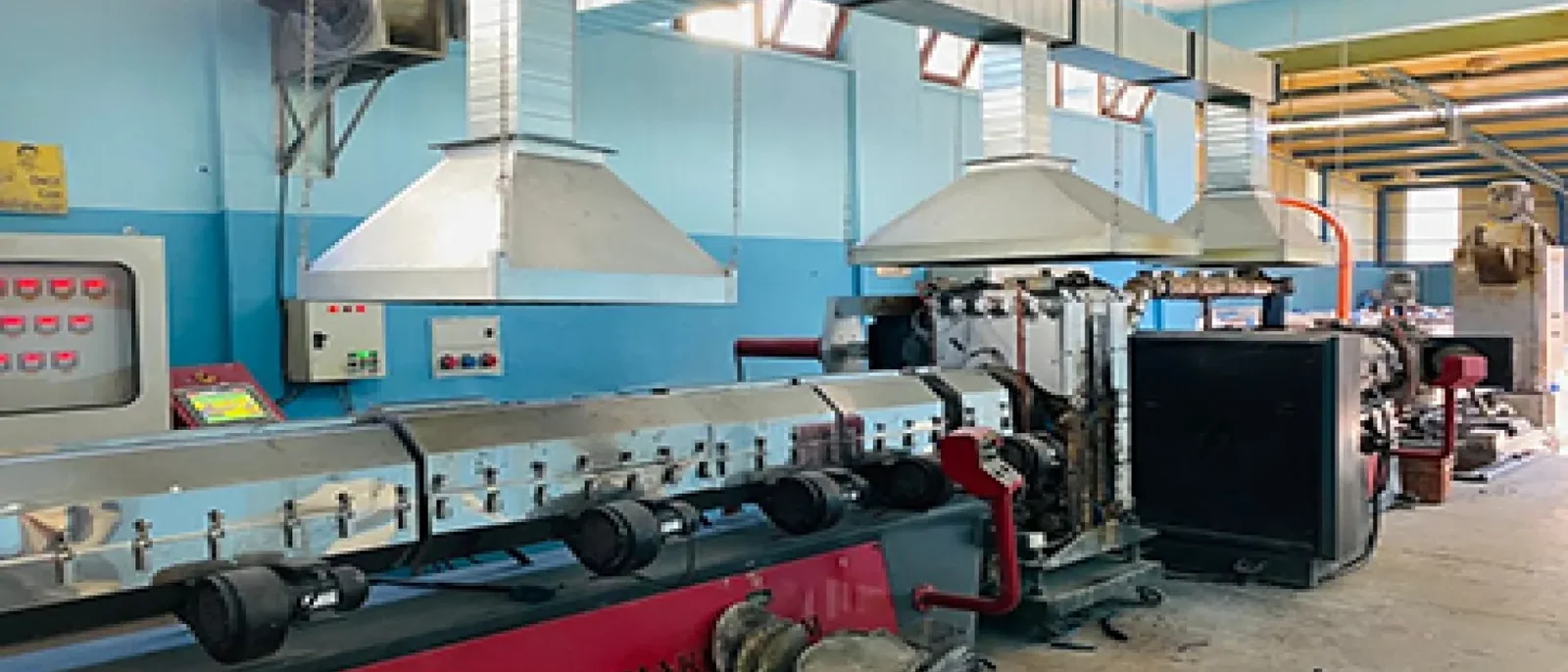
Most plastic packaging is made from two polymer families: HDPE (high-density polyethylene) and PP (polypropylene). Both are thermoplastics, meaning they can be melted and reshaped. This property allows them to be recycled many times when sorted correctly.
Differences between HDPE and PP
| Property | HDPE | PP |
|---|---|---|
| Recycling code | 2 | 5 |
| Typical products | Drums, bottles, crates, pipes | Buckets, caps, crates, automotive parts |
| Key property | Chemical resistance, toughness | Rigidity, heat resistance |
The recycling process
- Sorting: Waste is graded by polymer type and colour.
- Shredding: Plastics are cut into small pieces.
- Washing: Labels, dirt and foreign matter are removed.
- Granulation: Clean flake is melted, filtered and turned into granules.
- Quality control: Values such as melt flow and moisture are measured in the laboratory.
Why recycled granules?
- Cost advantage over virgin material
- A lower carbon footprint and a contribution to sustainability reporting
- Less dependence on imported raw material
Take a look at the recycled HDPE and PP granules we produce at our facility.